How Do Solar Panels Work - A Complete Solar Guide
Understanding how solar energy powers your home can seem like a technical and complex topic. But in fact, the journey from sunlight to usable electricity can be broken down into three simple steps: capturing, converting, and using or storing solar energy.
Below is an easy-to-follow breakdown of each part of the process.
How Solar Panels Work to Capture Sunlight
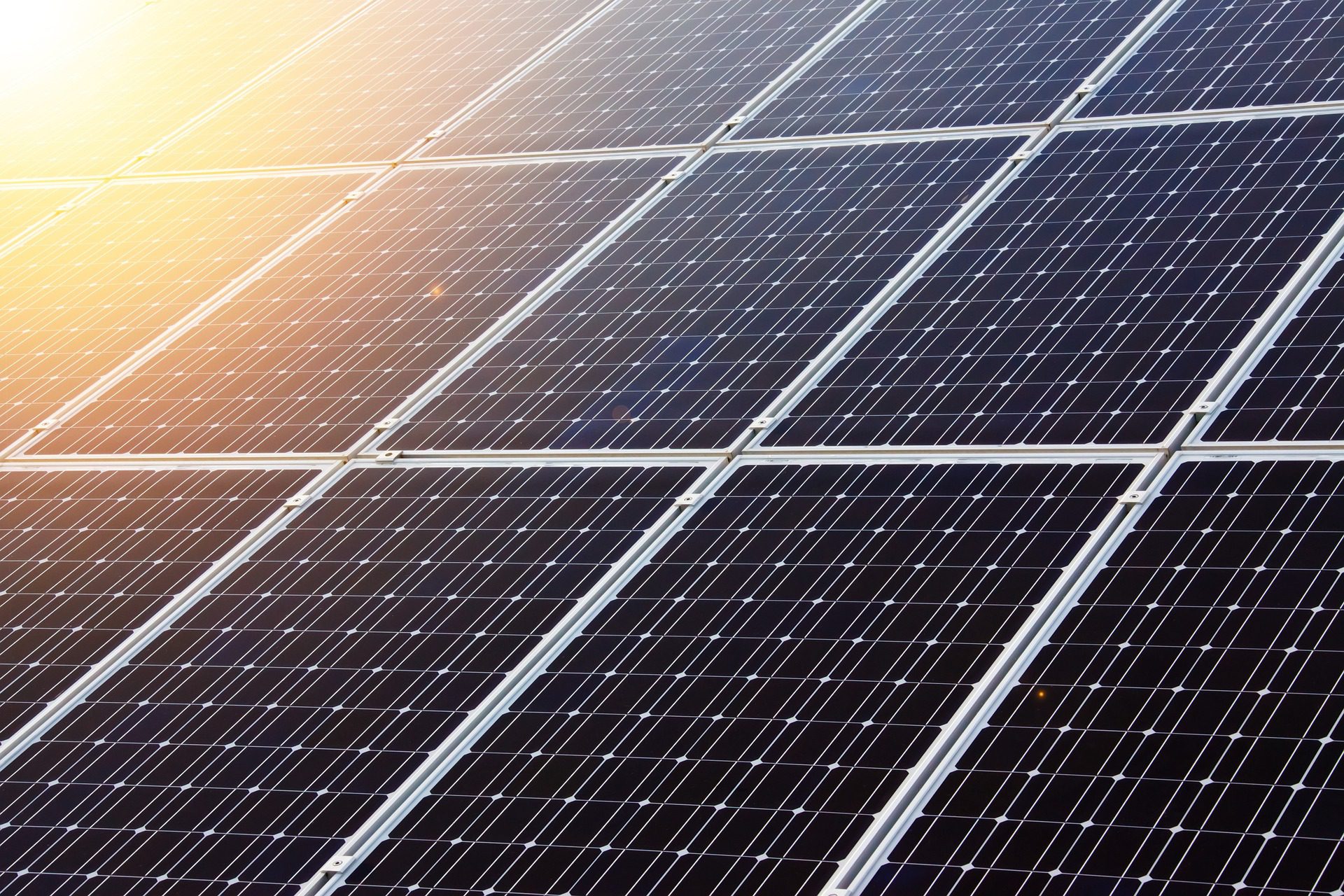
Solar panels are made up of photovoltaic (PV) cells — special silicon-based cells designed to absorb the sunlight or the electromagnetic radiation emitted by the sun.
Here’s what happens when the sun hits your solar panels:
- Energy from the sunlight is absorbed by the PV cells in each solar panel.
- This then creates an electrical charge
- This generates DC (direct current) electricity.
- The electricity then flows into the system and begins its journey to become power your home can use.
Key takeaway:
Solar panels don’t store energy; they simply convert sunlight into electrical current the moment the sun is shining.
What does a Solar Power Inverter Do?
Your home can’t use DC electricity directly — it needs AC (alternating current) power, which is the standard form used by all household appliances.
That’s where the solar inverter comes in.
What your inverter does:
- Converts DC electricity → AC electricity
- Manages system performance and efficiency
- Provides real-time monitoring data (through apps like iSolarCloud)
- Ensures safe operation of your system
There are different types of inverters — such as string inverters, hybrid inverters, and microinverters — but they all perform this essential conversion step.
Key takeaway:
Your inverter is the “brain” of your solar system — without it, your solar panels can’t power your home.
The Role of the Grid in your Solar System
When you install solar panels at home, your system is designed to generate electricity from sunlight. But the sun doesn’t shine 24/7, and some days are cloudier than others. That’s where the electricity grid comes in. Think of the grid as a backup energy network that keeps your home powered whenever your solar panels can’t produce enough energy.
1. Buying Power from the Grid
On days when your solar panels don’t produce enough electricity to power your home — like early mornings, evenings, or cloudy days — your home automatically draws power from the grid. This ensures your lights stay on, appliances keep running, and your home has consistent electricity no matter the weather.
2. Selling Excess Energy to the Grid – The Solar Feed In Tariff
On sunny days when your solar panels generate more electricity than your household uses, the extra energy can be sent back to the grid. In return, your electricity provider credits your account for this “feed-in tariff.” It’s like earning a small payment for sharing your surplus solar power with your community.
If you don’t have a battery, all unused solar is automatically exported to the electricity grid.
You earn a feed-in tariff (FiT) — a small credit on your electricity bill for every kWh you export.
However in Queensland:
- Ergon’s FiT has dropped from 12c to 8c per kWh
- Sending excess solar back now brings in less value than it used to
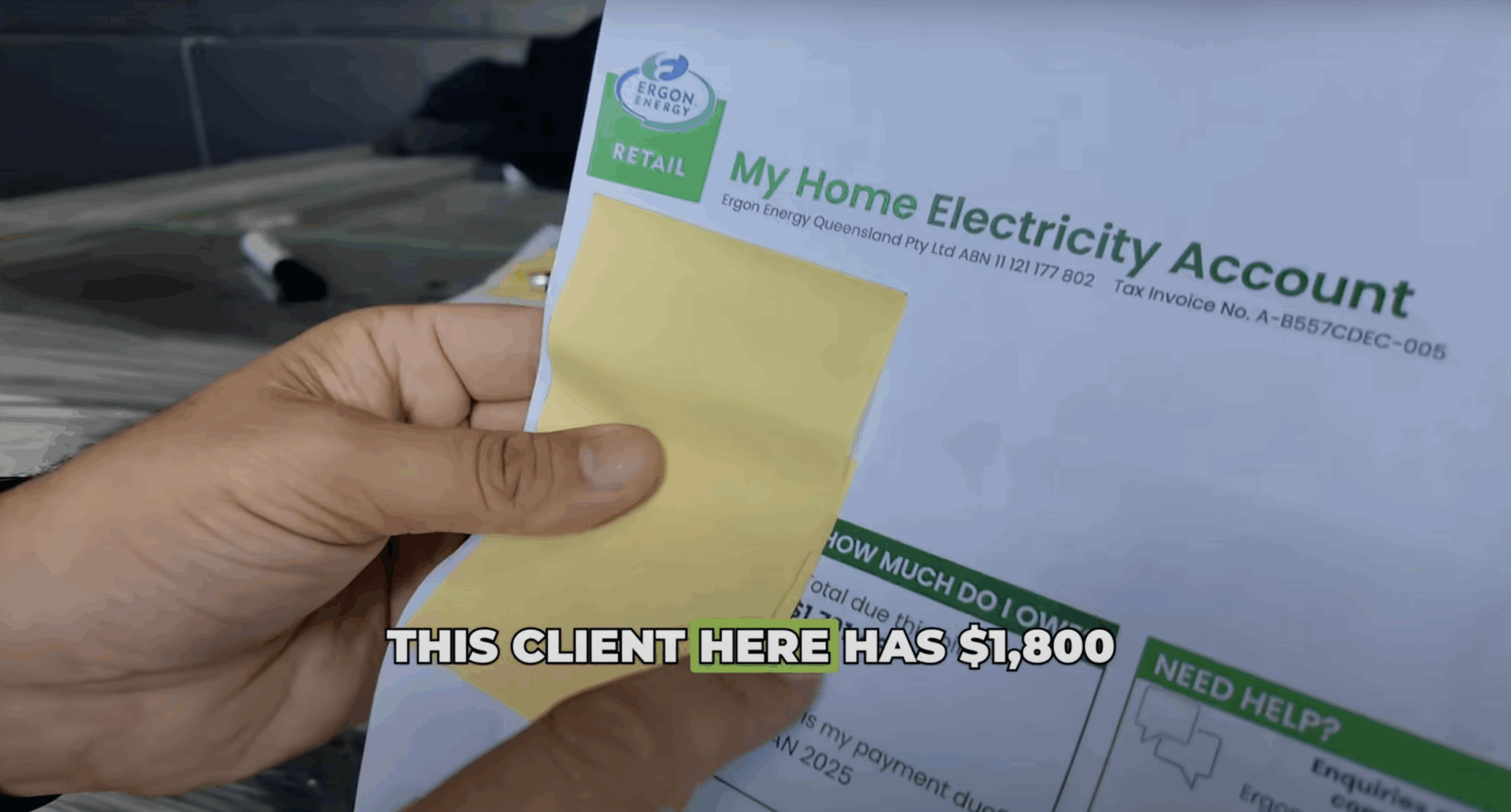
- Meanwhile, daily supply charges have increased by 0.32c, raising fixed costs
What this means for you:
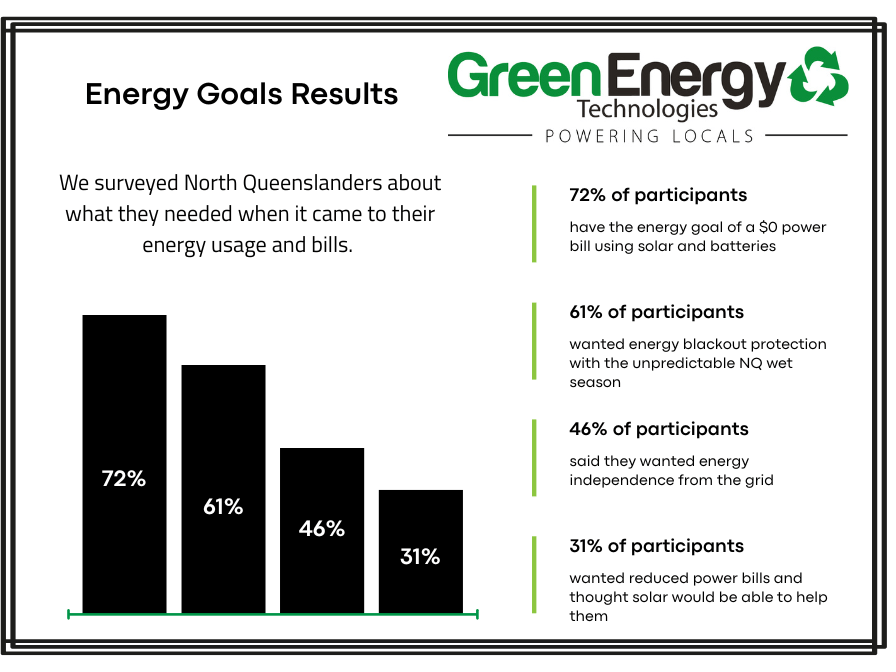
You earn less selling energy back to the grid and pay more for drawing grid power later — making batteries more appealing.
How Do Solar Batteries Work?
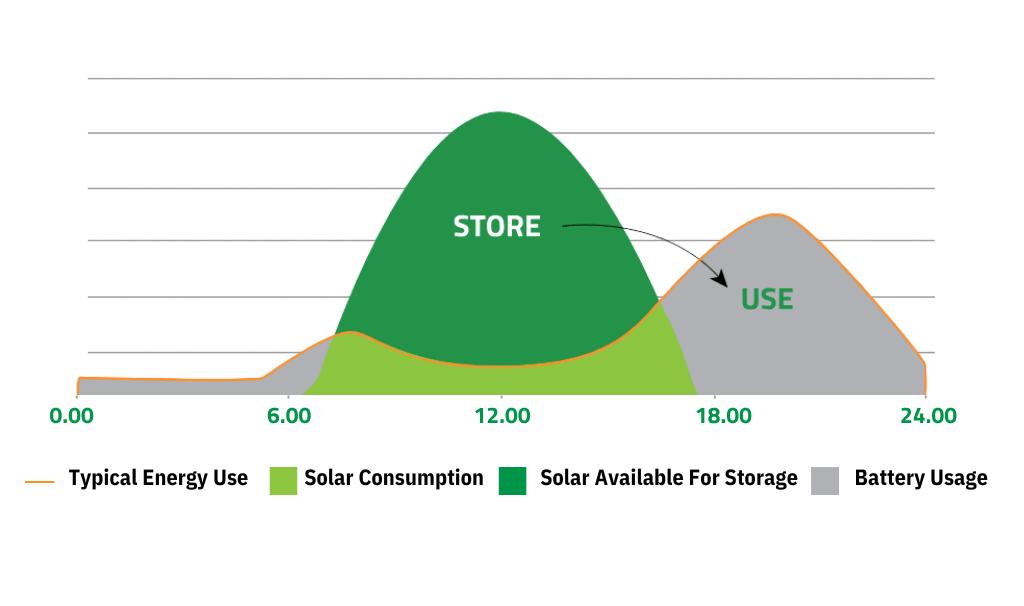
A solar battery lets you store excess solar during the day so you can use it at night, during cloudy weather, or during outages (if your battery supports backup mode).
How battery storage works:
- Solar panels generate electricity.
- Your home uses what it needs first.
3 Excess energy charges your battery. - When the sun goes down, your home draws from the battery instead of the grid.
Key takeaway:
Batteries let you use your own solar when you need it most — instead of selling it for 8c/kWh and buying it back at 30–40c/kWh.
See below graph demonstrating